
The Moroccan Hammam Experience: A Complete Guide to Morocco’s Ancient Wellness Ritual
The Moroccan hammam experience is one of the oldest and most cherished wellness traditions in North Africa. Far more than a simple bath, it is a deep cleansing ritual that combines purification, relaxation, skincare, and social connection. For centuries, Moroccans have visited the hammam weekly as part of their hygiene routine, but also as a moment of pause from daily life. Today, travelers discovering Morocco are increasingly drawn to this ritual, seeking both cultural immersion and natural wellness.
Stepping into a traditional Moroccan hammam feels like entering another world, where steam fills the air, warm stone walls radiate comfort, and time seems to slow down. After busy days exploring lively souks, historic medinas, or completing a Sahara Desert tour, the hammam offers the perfect reset for both body and mind. It is a place where ancient traditions meet modern well-being, giving visitors an unforgettable sensory experience rooted in Moroccan heritage.
Understanding the Moroccan Hammam Tradition
A Moroccan hammam is a steam bathhouse designed for deep cleansing of the body through heat, moisture, exfoliation, and natural treatments. Its origins trace back to Roman bathhouses and Islamic purification practices, both of which shaped the architectural and cultural development of hammams across Morocco. These spaces became essential parts of urban life, especially before private bathrooms were common in homes.
Unlike Western spas that focus primarily on luxury, the hammam in Morocco has always been accessible to all social classes. It is a place where neighbors meet, families gather, and communities bond. This social dimension is what transforms the Moroccan hammam experience from a beauty treatment into a meaningful cultural ritual.
A Journey Through History and Architecture
The architecture of a traditional Moroccan hammam reflects centuries of design adapted to both function and atmosphere. Thick stone or clay walls retain heat, while domed ceilings with small star-shaped openings allow soft beams of light to filter through steam. The space is divided into progressively warmer rooms, allowing the body to adjust slowly to increasing temperatures.
Historically, hammams were located near mosques because cleanliness is an important part of Islamic life. Over time, these bathhouses became landmarks in neighborhoods, known not just for hygiene but also for social interaction. Visiting one today allows travelers to step directly into a living tradition that has changed little over generations.
The Social Ritual of the Hammam
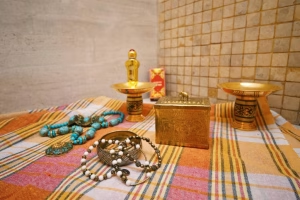
For Moroccans, visiting the hammam is not rushed. It is a ritual that can last several hours and includes conversation, relaxation, and self-care. Women often attend together, bringing children, relatives, and friends, transforming the bathhouse into a lively yet soothing community space.
This communal atmosphere makes the Moroccan hammam experience unique. It is not only about cleansing the body but also about cleansing the mind through connection and shared moments. Laughter, storytelling, and quiet reflection all take place within the warm walls of the hammam.
Hammam Rituals Linked to Life Events
The traditional Moroccan hammam plays an important role in major life transitions. Before weddings, brides attend a ceremonial hammam visit with female relatives, where they are pampered and celebrated. This ritual symbolizes purification, beauty, and preparation for married life.
After childbirth, women also return to the hammam for recovery and relaxation. These traditions highlight how deeply the Moroccan hammam experience is tied to emotional and cultural milestones, reinforcing its importance beyond physical cleanliness.
Step-by-Step Guide to the Moroccan Hammam Experience

A session in a Moroccan hammam begins with time spent in a warm steam room. The humidity softens the skin, opens pores, and relaxes muscles. Visitors sit quietly, allowing heat to prepare the body for the cleansing stages that follow.
Next, black soap (savon beldi) is applied generously over the body. This olive-based paste loosens dead skin cells and nourishes the skin. After several minutes, an attendant uses a rough kessa glove to scrub the body thoroughly, removing layers of impurities and leaving skin incredibly smooth.
Natural Moroccan Ingredients and Their Benefits
The effectiveness of the Moroccan spa ritual comes from its natural ingredients. Black soap is rich in vitamin E and deeply hydrating. Rhassoul clay, mined in the Atlas Mountains, detoxifies and tightens the skin while absorbing impurities.
Argan oil, often applied after the session, restores moisture and protects the skin barrier. These traditional products enhance the Moroccan hammam experience, offering natural beauty treatments that have been trusted for centuries.
Traditional Hammam vs Luxury Spa Hammam
A traditional Moroccan hammam offers authenticity, affordability, and a true glimpse into local daily life. These bathhouses are simple and communal, with a focus on tradition rather than luxury.
In contrast, spa hammams in Marrakech, Casablanca, and Fez combine ancient rituals with modern comfort. Private rooms, professional massages, and aromatic oils create a more indulgent version of the Moroccan hammam experience while preserving its essential steps.
Why Travelers Should Try a Moroccan Hammam

Travel can be physically exhausting, especially after walking long distances in medinas or riding camels during a Sahara Desert tour. A hammam session restores balance by cleansing the skin deeply and relaxing tense muscles.
Many visitors describe the hammam in Morocco as the highlight of their wellness experiences abroad. It allows them to participate in an authentic tradition while enjoying profound physical and mental relaxation.
Post-Desert Recovery and Skin Renewal
Desert environments often leave skin dry and coated with fine sand particles. The steam and exfoliation of a traditional Moroccan hammam remove these impurities effectively.
The hydration that follows, especially with argan oil, replenishes moisture lost during desert travel. This makes the Moroccan hammam experience the perfect recovery ritual after time spent in the Sahara.
Health and Wellness Benefits
The benefits of a Moroccan hammam include improved circulation, detoxification through sweating, muscle relaxation, and clearer skin. Steam therapy helps the respiratory system while exfoliation promotes healthy cell renewal.
Mentally, the calming environment reduces stress and encourages mindfulness. The Moroccan hammam experience therefore supports both physical wellness and emotional balance.
Hammam Etiquette and Cultural Respect
Understanding local customs ensures a comfortable hammam in Morocco visit. Traditional hammams have separate areas for men and women, and modesty is maintained throughout the session.
Visitors should follow staff guidance and respect the communal atmosphere. Doing so enhances the authenticity of the Moroccan hammam experience.
Best Places in Morocco to Experience a Hammam
Historic cities like Fez and Marrakech are famous for their beautiful traditional Moroccan hammams. These locations offer a blend of authenticity and accessibility for travelers.
Modern spa hammams in Casablanca and Rabat provide luxury alternatives while preserving the essence of the Moroccan hammam experience.
Mindfulness and Digital Detox
The hammam environment encourages slowing down. Without screens or outside distractions, visitors focus on breathing and bodily sensations.
This mindful pause is a hidden benefit of the Moroccan hammam experience, offering mental clarity in addition to physical cleansing.
Why the Moroccan Hammam Is Timeless
Few traditions survive centuries with such relevance. The traditional Moroccan hammam continues to meet modern wellness needs while preserving deep cultural roots.
Its combination of purification, relaxation, and community ensures the Moroccan hammam experience remains meaningful for both locals and travelers.
FAQ – Moroccan Hammam Experience
Is the Moroccan hammam experience suitable for first-time visitors? Yes, many hammams welcome tourists and guide them through the process.
Do I need to bring anything? In local hammams, bring a towel, underwear, flip-flops, black soap, and a kessa glove.
Is it private? Traditional hammams are communal; luxury spas offer private rooms.
How long does it last? A full Moroccan hammam experience can take between one and two hours.
Is it good after a Sahara Desert tour? Absolutely, it helps cleanse and rehydrate the skin.
Conclusion: A Wellness Ritual You’ll Never Forget
The Moroccan hammam experience is not just a bath; it is a cultural, historical, and wellness journey. It connects travelers to centuries of tradition while offering real physical and mental benefits.
Whether enjoyed in a neighborhood bathhouse or a luxury spa, the traditional Moroccan hammam remains one of Morocco’s most unforgettable experiences — a perfect way to relax, recharge, and connect with authentic Moroccan culture.