
Discover the Art of Traditional Shopping in Morocco’s Ancient Souks and Marketplaces
The Enchanting World of Traditional Moroccan Souks
Stepping into the Traditional Moroccan Souks is like walking into a living museum where history, color, and culture blend into one unforgettable sensory experience. These historic markets are not just shopping areas — they are cultural spaces where trade, craftsmanship, and daily Moroccan life have thrived for centuries.
Across the country, from imperial cities to rural villages, Morocco markets remain the beating heart of communities. The rhythm of commerce here follows traditions older than modern retail, making every visit feel like a journey through time.
What Makes Moroccan Souks Unique?
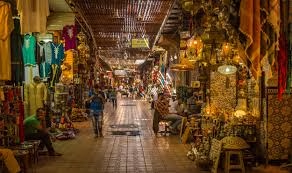
What makes Traditional Moroccan Souks so special is their organization by craft. Instead of random stalls, you’ll find entire streets devoted to leather, spices, metalwork, textiles, or ceramics, turning shopping into a cultural exploration.
This system dates back to ancient guild traditions that protected craftsmanship and ensured quality. Today, walking through these markets means witnessing a commercial heritage that has survived for hundreds of years.
Marrakech: Home of the Most Famous Marrakech Souks
Marrakech offers one of the most vibrant introductions to Moroccan souks. Its old medina is a maze of narrow alleyways filled with colorful stalls, artisan workshops, and historic buildings that preserve the city’s trading past.
Next to the markets lies the legendary Djemaa El Fna square, a UNESCO-recognized cultural space where performers, storytellers, and food vendors create a lively atmosphere from day to night.
Fes Medina: The Soul of Fes Medina Markets
If Marrakech is energetic, Fes is deeply traditional. The Fes medina markets are among the oldest and most authentic in the world, located inside a massive car-free historic zone.
Here, artisans still use ancestral techniques. Donkeys carry goods through tight alleys, and the famous Chouara Tannery showcases leather production methods that have existed for nearly a thousand years.
A Souk for Every Craft in Morocco Shopping
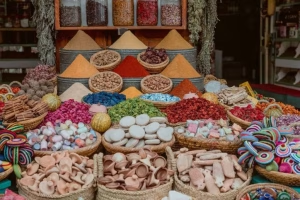
Exploring Morocco shopping culture means discovering souks dedicated to specific crafts. You can walk from a spice market into a leather district, then enter a street glowing with metal lanterns.
This specialization allows visitors to understand how Moroccan craftsmanship is preserved. Shopping becomes educational, not just transactional.
The Beauty of Moroccan Carpets
One of the highlights of Traditional Moroccan Souks is the world of handmade carpets. Each rug tells a story through symbols, colors, and weaving styles unique to Berber tribes or urban workshops.
Buying a Moroccan carpet is more than decoration — it is a piece of heritage that represents weeks or months of skilled handwork.
Leather Craft in Morocco Markets
Leather goods are a staple of Morocco markets, especially in Fes. Bags, belts, poufs, and slippers are handmade using natural dyes and traditional tanning methods.
The scent of leather, the bright dye pits, and the sight of craftsmen at work make visiting a tannery one of the most memorable souk experiences.
Spices and Scents of Moroccan Spice Markets
The Moroccan spice markets are a feast for the senses. Pyramids of saffron, cumin, turmeric, and paprika fill the air with color and fragrance.
These stalls also sell argan oil, rose water, herbal remedies, and beauty products, connecting visitors to Morocco’s culinary and wellness traditions.
Lanterns and Metalwork in Moroccan Handicrafts
The glow of handmade lanterns is one of the most magical sights in Moroccan handicrafts sections of the souks. Artisans carve detailed patterns into brass and copper to create stunning light displays.
Metalworkers also craft trays, teapots, and decorative art that reflect Morocco’s blend of Arab, Berber, and Andalusian influences.
Ceramics and Pottery Traditions
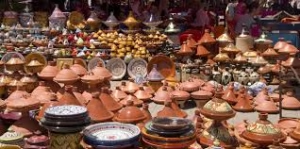
Colorful pottery is another treasure of Traditional Moroccan Souks. From tagines to mosaic tiles, every piece reflects regional artistic identity.
Cities like Fes and Safi are especially famous for ceramic traditions that have been passed down for generations.
The Cultural Art of Bargaining in Morocco Souks
Bargaining is part of the social culture in Morocco souks. It is done with respect and friendliness, turning shopping into a conversation rather than a transaction.
Negotiating prices often leads to laughter, tea invitations, and memorable human connections.
Weekly Rural Moroccan Markets
Outside cities, weekly Moroccan markets rotate between villages. These rural souks are less touristy and offer insight into everyday life.
Farmers, shepherds, and artisans gather to trade goods, making these markets important social and economic hubs.
Souks as Social Spaces
Historically, Traditional Moroccan Souks were places of learning and storytelling as well as commerce. Scholars, musicians, and storytellers once gathered here.
Even today, markets remain vibrant social centers where people meet, talk, and maintain community bonds.
Architecture of the Moroccan Medina
The narrow streets of the Moroccan medina create shade and intimacy. Carved doors, tiled fountains, and hidden courtyards add beauty to the busy marketplace atmosphere.
This architecture reflects centuries of urban design adapted to climate and culture.
Street Food in Morocco Markets
Food stalls are an essential part of Morocco markets. Vendors sell olives, dates, grilled meats, bread, and sweet pastries.
Tasting local street food adds another sensory layer to the souk experience.
Tradition Meets Modern Style
Today, Traditional Moroccan Souks balance heritage with modern demand. Artisans adapt designs for global tastes while keeping traditional methods alive.
This evolution ensures that Moroccan craftsmanship continues to thrive.
Ethical Shopping in Moroccan Souks
Buying from Moroccan souks supports local families and preserves cultural heritage. Many items are handmade using sustainable practices.
Choosing authentic goods helps keep traditional crafts alive.
Tips for Visiting Traditional Moroccan Souks
Take your time, dress comfortably, and don’t be afraid to get lost in Traditional Moroccan Souks. Exploration leads to the best discoveries.
A local guide can enrich your visit by explaining history and traditions.
Souks Throughout the Seasons
The atmosphere in Morocco markets changes with seasons and festivals. Religious celebrations bring special products and decorations.
Each visit offers a slightly different cultural experience.
Photography in Moroccan Souks
Always ask permission before photographing people in Moroccan souks. Respectful photography helps preserve dignity.
The colors, textures, and light make these markets incredibly photogenic.
Conclusion: More Than Shopping in Traditional Moroccan Souks
Exploring Traditional Moroccan Souks is not just about buying souvenirs — it is about stepping into a living culture shaped by centuries of trade, art, and human connection. Every alleyway tells a story, every artisan preserves a legacy, and every purchase supports traditions that continue to define Morocco’s identity.
From the vibrant Marrakech souks to the historic Fes medina markets and the rural weekly bazaars, these marketplaces offer travelers an unforgettable journey into the heart of Morocco. Visiting them means experiencing the true soul of the country — warm, artistic, and timeless.
FAQ – Traditional Moroccan Souks
What are Traditional Moroccan Souks?
They are historic marketplaces found in Moroccan medinas where artisans sell handmade goods like carpets, leather, spices, and ceramics.
Which city has the best Moroccan souks?
Marrakech is famous for lively markets, while Fes is known for its authentic and historic souks.
Is bargaining normal in Morocco markets?
Yes, friendly bargaining is expected and part of the shopping culture.
What should I buy in Moroccan souks?
Popular items include Moroccan carpets, leather goods, lanterns, spices, argan oil, and ceramics.
Are Moroccan spice markets safe for tourists?
Yes, they are safe, but always buy from reputable vendors and keep an eye on personal belongings.